Die Wissenschaft hinter Beziehungskompatibilität


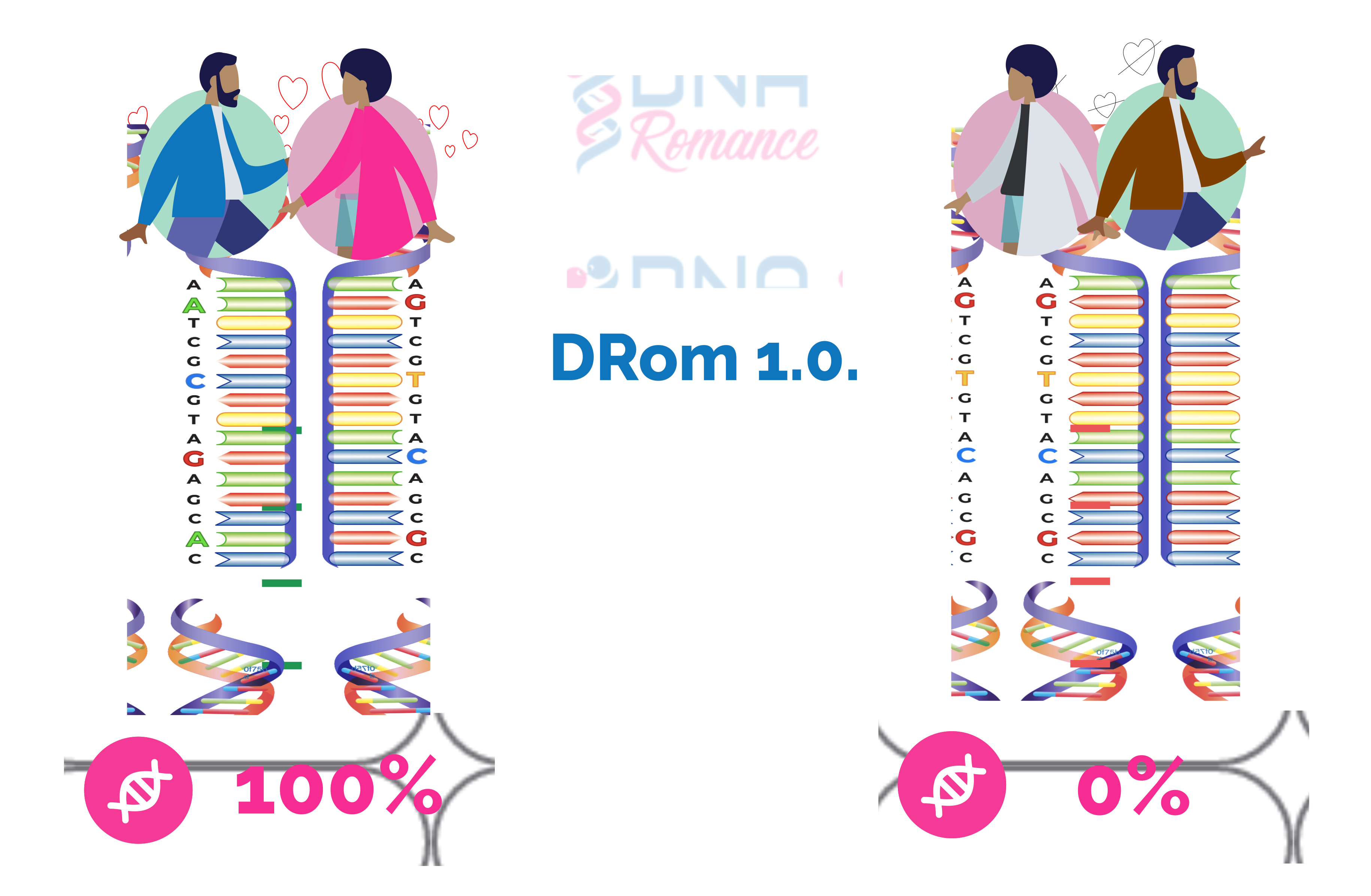
DNA Romance predicts "Chemistry" online using the DRom 1.0 algorithm. This algorithm assesses 100 specific markers within your DNA, focusing on genes proven to be involved in attraction and reproduction. Studies have shown that people with varied DNA markers in the Major Histocompatibility Complex (MHC) tend to find each other’s scent appealing and often enjoy more durable romantic relationships .

DRom 1.0 prognostiziert Chemie und Missverhältnisse Verwandte.

DNA Rmance DRom1.0 Predicts Chemistry


DNA Romance prognostiziert auch. Persönlichkeitskompatibilität Diese Anwendung verwendet Persönlichkeitstypen, die aus psychometrischen Tests abgeleitet werden, und ermöglicht es Benutzern, diese zu bewerten. Gemeinsame Interessen mit Filtern teilen. und Körperliche Anziehung DNA Romance bietet Benutzern die Möglichkeit, ihre potenziellen Partner anhand der Fotos ihres Matches zu beurteilen. second genetic algorithm DRom 2.0 DRom 2.0 ergänzt DNA Romance's AI-Modell, das mit relevanten DNA-Markern trainiert wurde, um mit hoher Genauigkeit Phänotyp-Merkmale vorherzusagen. Profilüberprüfungsmechanismus Dies stellt mehrere Schichten von Prüfungen zur Verfügung, die dazu beitragen, die Authentizität des Benutzerprofils besser anzuzeigen.


Persönlichkeitskompatibilitätsbewertung

Wie unterschiedliche Persönlichkeitstypen in Beziehungen interagieren

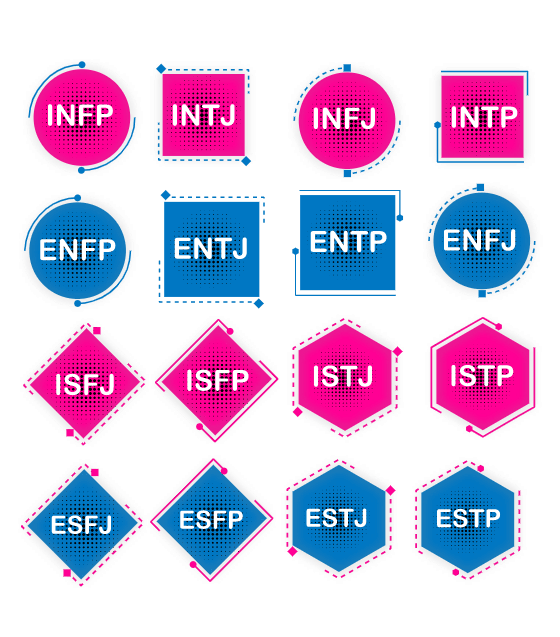
Erkunden Sie unsere Persönlichkeitskompatibilitätsbewertung inspired by the renowned Jung/Myers-Briggs 16 personality types. Developed over a century ago by Swiss psychiatrist Dr. Carl Jung and further refined by Isabel Briggs Myers and Katherine Briggs, this psychometric test has stood the test of time. Recognized as the Myers-Briggs Type Indicator®, it's widely used in organizational psychology.
DNA Romance utilizes this personality compatibility algorithm to predict potential connections between both singles and couples. DNA Romance's algorithms strategically assigns higher compatibility scores to similar personality types, and lower scores to those that may conflict.

DNA Romance personality compatibility score

Schlüssel Forschungsarbeiten

DNA online dating site

MHC-basierte Anziehung (auch als Chemie bekannt) und Beziehungswahl

DNA Romance predicts "Chemistry" using DRom 1.0, an algorithm that analyses Single Nucleotide Polymorphisms (SNPs)confirmed to influence relationship choice in several independent studies. Here we present just a few of the research papers we evaluated in order to develop DRom 1.0 .

Birnbaum GE, Zholtack K, Mizrahi M & Ein-Dor T (2019) Die Bittere Pille: Die Beendigung der oralen Kontrazeptiva erhöht die Anziehungskraft alternativer Partner Evolutionary Psychological Science volume 5, pages 276–285

*** Hormonelle Verhütungsmittel verändern die Partnerwahl von Frauen hin zu fürsorglicheren Männern, aber wenn sie abgesetzt werden, kehren diese Präferenzen zurück und die Anziehungskraft zu genetisch kompatiblen Männern wird verstärkt, besonders während der hochfruchtbaren Phasen, was möglicherweise eine Verfolgung alternativer Partner motiviert.

Wedekind C (2019) A predicted interaction between odour pleasantness and intensity provides evidence for major histocompatibility complex social signalling in women . Proc. R. Soc. B 285:20172714.

*** Der Artikel beschreibt die Verbindung zwischen dem Major Histocompatibility Complex (MHC) und den Geruchspräferenzen bei Menschen, indem er frühere Erkenntnisse diskutiert und analysiert, wie Achselrasur und andere Faktoren die Wahrnehmung von Körpergeruch und seine Verbindung zu MHC beeinflussen können, wobei eine Neuanalyse früherer Daten zeigt, dass die Geruchsangenehmheit und -intensität mit der MHC-Dissimilarität interagieren können, um soziale Signale durch Duft zu vermitteln, was auf eine nuancierte Beziehung zwischen MHC, Geruchswahrnehmung und sozialer Kommunikation hinweist.

Wu K, Chen C, Moyzis RK, Nuno M, Yu Z and Greenberger E (2018) More than skin deep: Major histocompatibility complex (MHC)-based attraction among Asian American speed-daters Evolution and Human Behavior. 39(4):447-456.

*** In einem Speed-Dating-Kontext zeigten Frauen, aber nicht Männer, Präferenzen für Partner basierend auf der Komplementarität des Major Histocompatibility Complex (MHC) durch SNP-Analyse, wobei verschiedene SNPs aufgrund der Nähe zu den wichtigsten HLA-Genen attraktiv wirkten und MHC-basierte Indizes vergleichbare Einflüsse auf die Vorhersage von Zweitdatenangeboten für beide Geschlechter hatten wie selbstberichtete Persönlichkeitsattribute.

Henningsson S, Hovey D, Vass K, Walum H, Sandnabba K, Santtila P, Jern P, Westberg L (2017) A missense polymorphism in the putative pheromone receptor gene VN1R1 is associated with sociosexual behavior . Transl Psychiatry. 7(4):e1102.

*** Die Studie zeigt eine signifikante Assoziation zwischen einem Polymorphismus im VN1R1-Gen, das mit dem menschlichen Vomeronasal-Typ-1-Rezeptor 1 (Teil des Systems, das die Wirkungen von Pheromonen vermittelt) in Verbindung steht, und der soziosexuellen Verhaltensweise von Frauen, insbesondere im Zusammenhang mit One-Night-Stands, was darauf hindeutet, dass Chemosignalisierung eine Rolle bei der Modulation menschlicher sozialer Interaktionen spielen könnte.

Sherlock JM, Sidari MJ, Harris EA, Barlow FK, Zietsch BP (2016) Testing the mate-choice hypothesis of the female orgasm: disentangling traits and behaviours . Socioaffect Neurosci Psychol. 6:31562.

*** Die Studie legt nahe, dass Frauen bei unterschiedlichen Partnern unterschiedliche Orgasmusfrequenzen erleben, wobei jene, die höhere Orgasmusraten induzieren, als humorvoller, kreativer, wärmer, treuer und besser riechender wahrgenommen werden und auch aufmerksamer auf die sexuelle Zufriedenheit ihres Partners sind, was teilweise die Wahlverwandtschaftshypothese des weiblichen Orgasmus unterstützt, die ihn als mögliches Mechanismus zur Auswahl hochwertiger Partner postuliert.

Kromer J, Hummel T, Pietrowski D, Giani AS, Sauter J, Ehninger G, Schmidt AH, Croy I (2016) Influence of HLA on human partnership and sexual satisfaction . Sci Rep. 6:32550.

*** Die Studie zeigt, dass bei Menschen die HLA-Dissimilarität (ein genetischer Bestandteil des Immunsystems) die Partnerwahl und sexuelle Zufriedenheit beeinflussen kann, möglicherweise durch die Erkennung von olfaktorischen Hinweisen auf genetische Kompatibilität, ähnlich wie bei anderen Tieren, was die genetische Vielfalt und Widerstandsfähigkeit gegenüber Pathogenen bei Nachkommen fördert.

Wlodarski R. and Dunbar RIM. (2015) What’s in a Kiss? The Effect of Romantic Kissing on Mate Desirability . Evol Psychol. ; 12(1): 178–199.

*** Diese Studie ergab, dass die wahrgenommene Fähigkeit zum romantischen Küssen die Bewertungen potenzieller Partner beeinflusst, wodurch die Attraktivität insbesondere für Frauen in informellen sexuellen Kontexten erhöht wird. Obwohl visuelle Hinweise die Auswirkungen von Informationen im Zusammenhang mit Küssen in bestimmten Paarungsszenarien überlagern können, scheint die Wirkung attraktiver visueller Informationen für Männer stärker zu sein als für Frauen, was auf die vielfältige Rolle des Küssens hinweist, um die Qualität und Attraktivität von Partnern neben anderen Hinweisen zu vermitteln.

Christakis NA and Fowler JH (2014) Freundschaft und natürliche Selektion PNAS. 11:10796–10801.

*** Die Studie zeigt, dass Menschen dazu neigen, Freundschaften mit Individuen zu schließen, die ähnliche Genotypen haben - ähnlich wie bei Vierte Cousins - über das gesamte Genom hinweg. Während bestimmte Genotypen positiv korreliert sind (homophil), sind andere negativ korreliert (heterophil) unter Freunden, wobei bestimmte Gene, die mit dem Geruchssinn und dem Immunsystem in Verbindung stehen, eine Rolle bei der Freundschaftsbildung spielen. Dies schlägt vor, dass Freunde als "funktionelle Verwandte" wirken können und dass homophile Genotypen möglicherweise synergistische Fitnessvorteile bieten, die die jüngste menschliche Evolution beeinflusst haben.

Lie HC, Simmons LH and Rhodes G (2010) Genetic dissimilarity, genetic diversity, and mate preferences in humans . Evolution and Human Behavior 31:8–58.

*** This study explores the influence of genetic factors, particularly the major histocompatibility complex (MHC), on mate preferences in humans, discovering that males tend to prefer MHC-dissimilar females in both short-term and long-term mating contexts, while genetic diversity impacts both male and female partner preferences across different mating contexts, thus supporting a significant role for the MHC in human mate selection and suggesting that these preferences might function to enhance genetic diversity in offspring.

Lie HC, Rhodes G and Simmons LH (2010) Is genetic diversity associated with mating success in humans ? Animal Behaviour. 79, 4:903-909

*** This study indicates that in humans, particularly females, genetic diversity, especially within the major histocompatibility complex (MHC), is associated with greater mating success, measured by the number of sexual partners, supporting the concept that genetic factors, potentially related to immune system functioning, play a role in human mating success, while no significant association was found in males.

Chaix R, Cao C, and Donnelly P (2008) Is Mate Choice in Humans MHC-Dependent ? PLOS Genetics, 4 (9)

*** The study indicates that while European American populations may prefer MHC-dissimilar mates, selecting for diversity in offspring's immune systems, such a pattern is not found in the examined African population, suggesting MHC's influence on mate choice can be context-dependent and potentially shaped by various factors.

Schwensow N, Fietz J, Dausmann K, Sommer S (2008) MHC-associated mating strategies and the importance of overall genetic diversity in an obligate pair-living primate . Evol Ecol. (22) 617-636

*** The study explores mate choice in the fat-tailed dwarf lemur, finding females prefer males with greater MHC-genetic diversity and lower MHC overlap as both social and genetic fathers, while overall genetic heterozygosity and relatedness do not significantly influence mate selection; extra-pair matings might occur to mitigate genetic incompatibility, highlighting a complex interplay of "good-genes-as-heterozygosity" and "disassortative mating" hypotheses in primate mating strategies.

Wedekind C (2007) The Major Histocompatibility Complex and Perfumers’ Descriptions of Human Body Odors Evolutionary Psychology.5(2): 330-343

*** This experiment reveals a connection between the Major Histocompatibility Complex (MHC) and the verbal descriptions of human body odors, demonstrating that professional perfumers can, to some extent, articulate MHC-correlated body odor components, underscoring the MHC's influence on human olfactory perception and possibly, mate selection, given the MHC's critical role in immune system functioning and previously noted impact on body odor and mate choice.

Garver-Apgar CE, Gangestad SW, Thornill R, Miller RD and Olp JJ (2006) Major histocompatibility complex alleles, sexual responsivity, and unfaithfulness in romantic couples Psychol Sci, 17(10): 830-835.

*** In the context of romantic couples, the study finds that as the proportion of shared Major Histocompatibility Complex (MHC) alleles increases, women’s sexual responsivity to their partners decreases, while their number of extra-pair sexual partners and attraction to men other than their primary partners, especially during their fertile phase, increases, suggesting that MHC-dissimilarity might play a role in sexual attraction and partner selection, potentially driven by underlying genetic and reproductive strategies to enhance offspring immunocompetence by maintaining genetic diversity.

Roberts CE, Gosling LM, Carter V and Petrie M (2006) MHC-correlated odour preferences in humans and the use of oral contraceptives Proc. R. Soc. B 275, 2715–2722

*** This study investigates how oral contraceptives influence women's preferences for certain male odours, which are known to be influenced by genes in the Major Histocompatibility Complex (MHC). Previous research has indicated that female preference for MHC-dissimilar male odour may function to increase offspring heterozygosity or minimize inbreeding. Interestingly, it has also been suggested that women using oral contraceptives tend to prefer the scent of MHC-similar males, which runs contrary to this logic. The study utilized a longitudinal design to test women before and after initiating contraceptive pill use, comparing their preferences to a control group of non-pill users. While the study didn’t find a significant difference in ratings between odours of MHC-dissimilar and MHC-similar men during the follicular cycle phase in general, it did unearth that single women tended to prefer the odour of MHC-similar men, whereas women in relationships leaned towards the odour of MHC-dissimilar men. This latter finding aligns.

Wedekind C (2006) The Intensity of Human Body Odors and the MHC: Should We Expect A Link ? Evolutionary Psychology. 4:85-94

*** This research discerns relationships between a few MHC (Major Histocompatibility Complex) genes and the intensity and pleasantness of men's body odors, discovering that men with at least one homozygous MHC antigen don't emit notably more intense odors than heterozygotes, yet their scents are perceived as significantly stronger by women with dissimilar MHC.

Pause BM, Krauel K, Schrader C, Sojka B, Westphal E, Mu¨ller-Ruchholtz W, and Ferstl R. (2006) The human brain is a detector of chemosensorily transmitted HLA-class I-similarity in same- and opposite-sex relations Proc. R. Soc. B (2006) 273, 471–478 doi:10.1098/rspb.2005.3342

*** This study reveals that humans subconsciously detect and respond to body odors from individuals with similar HLA (Human Leucocyte Antigen) genetic markers, which might play a critical role in social interactions and mate selection by acting as subtle social signals within both same-sex and opposite-sex relationships..

Martins Y, Preti G, Crabtree CR, Runyan T, Vainius AA and Wysocki CJ (2005) Preference for Human Body Odors Is Influenced by Gender and Sexual Orientation . Psychological Science, 16(9) 694-702

*** This study demonstrates that sexual orientation and gender influence individuals' preferences for human body odors, with heterosexual and homosexual males and females showcasing distinct two-choice preferences when presented with body odors from individuals of different gender and sexual orientation combinations, implying that body odor can be a factor in sexual and social partner selection.

Horton R, Wilming L, Rand V, Lovering RC, Bruford EA, Khodiyar VK, Lush MJ, Povey S, Talbot CC Jr, Wright MW, Wain HM, Trowsdale J, Ziegler A, Beck S (2004) Gene map of the extended human MHC. Nat Rev Genet 5(12):889-899

*** This study characterises an integrated gene map of the extended human MHC, a pivotal region in the vertebrate genome for infection and autoimmunity due to its essential role in both adaptive and innate immunity, highlighting its significant content related to paralogy, polymorphism, immune functionality, and its association with various diseases, providing a comprehensive view stemming from the assimilation of data from several large-scale studies..

Jacob S, McClitock MK, Zelano B and Ober C (2002) Paternally inherited HLA alleles are associated with woman’s choice of male odour . Nature Genetics, 30:175

*** This study demonstrates that women can discern differences in male body odor influenced by a single variance in HLA (human MHC) allele, with a woman's capacity to distinguish and prefer certain odors notably being based on HLA alleles inherited from her father and not her mother; this suggests that paternally inherited HLA-associated odors influence odor preference and might function as social cues, even despite a milieu of potential odors derived from a variety of genetic and cultural factors..

Milinski M and Wedekind C (2001) Evidence for MHC-correlated perfume preference in humans . Behavioural Ecology 12(2):140-149

*** The study explores the relationship between Major Histocompatibility Complex (MHC) genotypes and perfume preferences in humans. They discovered a notable correlation between an individual's MHC (specifically HLA-A, -B, -DR) and their ratings of various scents for personal use, with certain HLA types (e.g., HLA-A2) showing consistent scent preferences. However, when it came to preferences for a partner's scent, the correlation was largely insignificant, aligning with the hypothesis that individuals select perfumes for personal use to possibly enhance or amplify their own immunogenetic revealing body odors, rather than to alter the perceived scents of their partners.

Wedekind C, Seebeck T, Bettens F And Paepke AJ (1995) MHC-dependent mate preferences in humans. Proc.R.Soc.Lond.B. 260:245-249.

*** This study found that people tend to prefer the body odors of potential mates who have different immune system genes than their own, but this preference changes for women on birth control.

Genetic online dating site

How similarities or differences in MHC alleles can influence family planning

MHC similarity between couples is known to cause issues with family planning, here are some of the peer-reviewed papers describing the role of MHC similarity and human reproduction .

* found that sperm viability was associated with partners' HLA dissimilarity, indicating that cervical mucus may selectively facilitate later gamete fusion between immunogenetically compatible partners .

Jokiniemi A, Magris M, Ritari J, Kuusipalo L, Lundgren T, Partanen J and Kekäläinen J (2020) Post-copulatory genetic matchmaking: HLA-dependent effects of cervical mucus on human sperm function Proc Biol Sci., doi: 10.1098/rspb.2020.1682. Epub 2020 Aug 19.

* found an increased frequency of homozygosity for HLA-E*0101 in Egyptian women with RM

Mosaad YM, Abdel-Dayem Y, El-Deek BS and El-Sherbini SM (2011) Association between HLA-E *0101 homozygosity and recurrent miscarriage in Egyptian women . Scand J Immunol. 2011 Aug;74(2):205-9. doi: 10.1111/j.1365-3083.2011.02559.x.

* proposed a genetic-risk calculation that could predict recurrent miscarriage (RM) based on analysing HLA haplotypes from couples either with histories of successful pregnancies or RM .

Mora-Sánchez A, Aguilar-Salvador D, Nowak I (2019) Towards a gamete matching platform: using immunogenetics and artificial intelligence to predict recurrent miscarriage NPJ Digit Med Mar 7;2:12. doi: 10.1038/s41746-019-0089-x

* performed a meta-analyses of 41 studies and showed that HLA-B sharing and HLA-DR sharing were both associated with the occurrence of RM .

Meuleman T, Lashley LE, Dekkers OM, van Lith J, Claas FH and Bloemenkamp KW (2015) HLA associations and HLA sharing in recurrent miscarriage: A systematic review and meta-analysis Hum Immunol. May;76(5):362-73. doi: 10.1016/j.humimm.2015.02.004.

* identified differential association of alleles in HLA-A, HLA-B, HLA-C, and HLA-DRB1 when compared with reported world RSA patients .

Shankarkumar U, Pawar A, Gaonkar P, Parasannavar D, Salvi V, and Ghosh K (2008) HLA allele associations in idiopathic recurrent spontaneous abortion patients from India J Hum Reprod Sci. 2008 Jan;1(1):19-24. doi: 10.4103/0974-1208.39592.

* describe the relationship between HLA similarity at individual alleles, as well as HLA haplotypes as indicators for increased risk of fetal loss among Hutterite couples .

Ober C (1999) Studies of HLA, fertility and mate choice in a human isolate . Hum Reprod Update 5(2):103-107.

* results of a 10 year study that demonstrated increased fetal loss rates among Hutterite couples matching for HLA antigens .

Ober C, Hyslop T, Elias S, Weitkamp LR, Hauck WW (1998) Human leukocyte antigen matching and fetal loss: results of a 10 year prospective study Human Reproduction, Volume 13, Issue 1, Jan 1998, Pages 33–38

* demonstrated increased rates of recurrent spontaneous abortion among Hutterite couples matching for HLA-DQA1 alleles

Ober., Steck., Ven., Billstrand., Messer., Kwak., Beaman., Beer (1993) MHC class II compatibility in aborted fetuses and term infants of couples with recurrent spontaneous abortion Journal of Reproductive Immunology, Volume 25, Issue 3, December 1993, Pages 195-207

Personality online dating site

Persönlichkeitstypen

Our personality compatibility rating is based on the Myers-Briggs 16 personality types. This test has a long history with the development of the first 3 components dating back almost 100 years to Dr. Carl Jung and today the 4 letters and 16 personality type groups are widely known to the majority of people. DNA Romance's personality compatibility algorithm, called PC1, puts maximum weight on similar personality types and less weight towards personality types that tend to clash.

Lok C (2012) Career development: What's your type ? Nature, 488: 545-547

* The article highlights the utilization of the Myers-Briggs Type Indicator and similar personality tests in assisting scientists to enhance their soft skills and navigate their careers by providing insights into their personality traits, which can inform their communication, leadership, and teamwork strategies within professional environments.

Keirsey, D (2006) Please Understand Me II (3rd ed) . Promethius Nemesis Book Co., Del Mar, CA.

Bitte verstehe mich ist ein Psychologiebuch von David Keirsey und Marilyn Bates, das einen selbstbewerteten Fragebogen, den Keirsey Temperament Sorter, verwendet, um Personen in eine von 16 Persönlichkeitstypen und vier breiteren Temperamenttypen (Künstler, Wächter, Rationaler und Idealist) einzuteilen, und den Lesern Einblicke in ihre Verhaltensmuster und grundlegenden Werte bietet, während es auf früheren psychologischen Theorien und Typindikatoren, insbesondere dem Myers-Briggs-Typindikator, aufbaut und vereinfacht.

Myers IB, McCaulley MH, Quenk NL and Hammer AL (1998) MBTI manual: A guide to the development and use of the Myers-Briggs Type Indicator . Consulting Psychologists Press, Palo Alto, CA, Vol. 3.

Das MBTI® Manual, dritte Ausgabe, dient als umfassende Anleitung, in der die Entwicklung, Anwendung und Interpretation des Myers-Briggs Type Indicator®-Instruments detailliert beschrieben werden, umfassende Informationen über die Theorie, Zuverlässigkeit und Gültigkeit des Instruments bereitzustellen und Einblicke in die 16 von ihm identifizierten Persönlichkeitstypen zu geben, alle verfasst von führenden Experten für psychologischen Typ, Isabel Briggs Myers, Mary H. McCaulley, Naomi L. Quenk und Allen L. Hammer.

Myers IB, McCaulley MH and Most R (1985) Manual, a guide to the development and use of the Myers-Briggs type indicator. Consulting Psychologists Press.

The 1985 edition, 'Manual: A Guide to the Development and Use of the Myers-Briggs Type Indicator,' introduces and elucidates the Myers-Briggs Type Indicator (MBTI®), designed to render C. G. Jung's psychological type theory comprehensible and applicable in daily life, underlining the principle that behavioral variations, while seemingly sporadic, are consistently orderly, deriving from intrinsic differences in individuals’ preferred use of perception and judgment.

Myers IB (1962) Manual, a guide to the development and use of the Myers-Briggs type indicator. Consulting Psychologists Press .

Das Handbuch von 1962 für den Myers-Briggs-Typindikator bietet umfassende Einblicke und Richtlinien zur Umsetzung der Theorie von C. Jung über psychologische Typen, die behauptet, dass Verhaltensvariationen systematisch und konsistent aufgrund grundlegender Wahrnehmungs- und Urteilspräferenzen sind. Ziel ist es, diese Präferenzen durch Selbstberichte zu ermitteln, um individuelle psychologische Typen zu ermitteln, wodurch die praktische Anwendung und Forschung zu deren Auswirkungen auf Reaktionen, Motivationen, Werte und Fähigkeiten ermöglicht wird.

Jung CG (1923) Psychological types: or the psychology of individuation Oxford, England: Harcourt, Brace .

Psychologische Typen von Carl Gustav Jung, erstmals 1923 veröffentlicht, stellt die bahnbrechende psychologische Typologietheorie vor, die einen Rahmen bietet, um die vielfältigen und scheinbar zufälligen Unterschiede in der Persönlichkeit durch eine systematische und geordnete Theorie zu erklären, die vorschlägt, dass grundlegende Variationen des menschlichen Verhaltens aufgrund von angeborenen Unterschieden in der Art und Weise entstehen, wie Individuen ihre kognitiven Funktionen der Wahrnehmung und Beurteilung bevorzugen, was den Grundstein für zahlreiche Persönlichkeitstheorien und -bewertungen legt, insbesondere den Myers-Briggs-Typindikator (MBTI).


We care about your privacy and have several measures in place to keep your personal data secure. We follow HIPAA privacy guidelines when handling your data and we don't sell DNA data to 3rd parties! We encrypt all data that is stored and the names contain a unique hashed path and other obfuscating elements. Access to the data is limited to key development personnel who have 2-factor authentication restricted access. You can delete your profile including DNA data at anytime from your settings dashboard. ** Again we do not sell your personal information to 3rd parties, please see our Privacy Policy for more details. On departure please do give us feedback, especially if you found a great match :-)