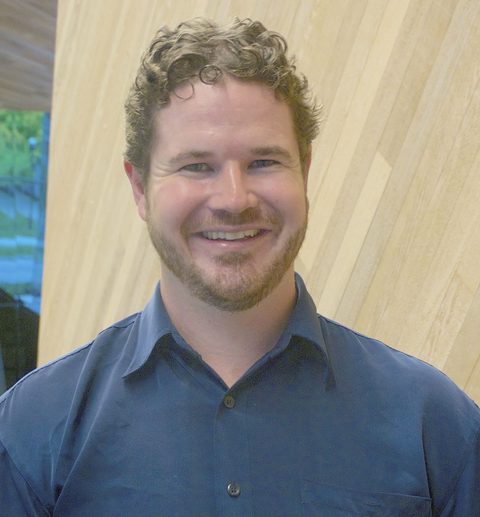
ד"ר טימותי סקסטון
מנכ"ל ומייסד-שותף
ד"ר טימותי סקסטון הוא המייסד והמנכ"ל של DNA Romance. בעל תואר דוקטור בביוטכנולוגיה ועשרות שנות ניסיון בגנומיקה וביואינפורמטיקה, טים הוביל את יישום בדיקות ההתאמה הגנטית בעולם השידוכים המקוון.
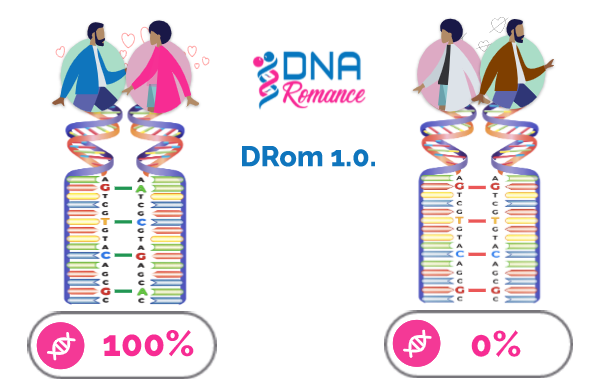
רומנטיקת דנא חורג מעבר לשידוכים מקוונים מסורתיים ומחולל מהפכה בדרך שבה אנשים מגלים קשרים אמיתיים, מעבר לשטחיות של המראה החיצוני. אנו משלבים אותות נבחרים של סמני DNA עם תובנות אישיות ותחומי עניין משותפים כדי לתמוך בהיכרויות מעמיקות. המסע שלך לקשרים משמעותיים מותאם אישית באמצעות ניתוח בדיקות ה-DNA שלנו, אפליקציות נוספות כמו DateMetriX ו-Gene Pool, המכסות היבטים שונים של קשרים, מרדיפות רומנטיות ועד הורות משותפת. ברוך הבא לפרק חדש בבניית קשרים – בטוח, מותאם אישית לעומק ומבוסס מדעית.
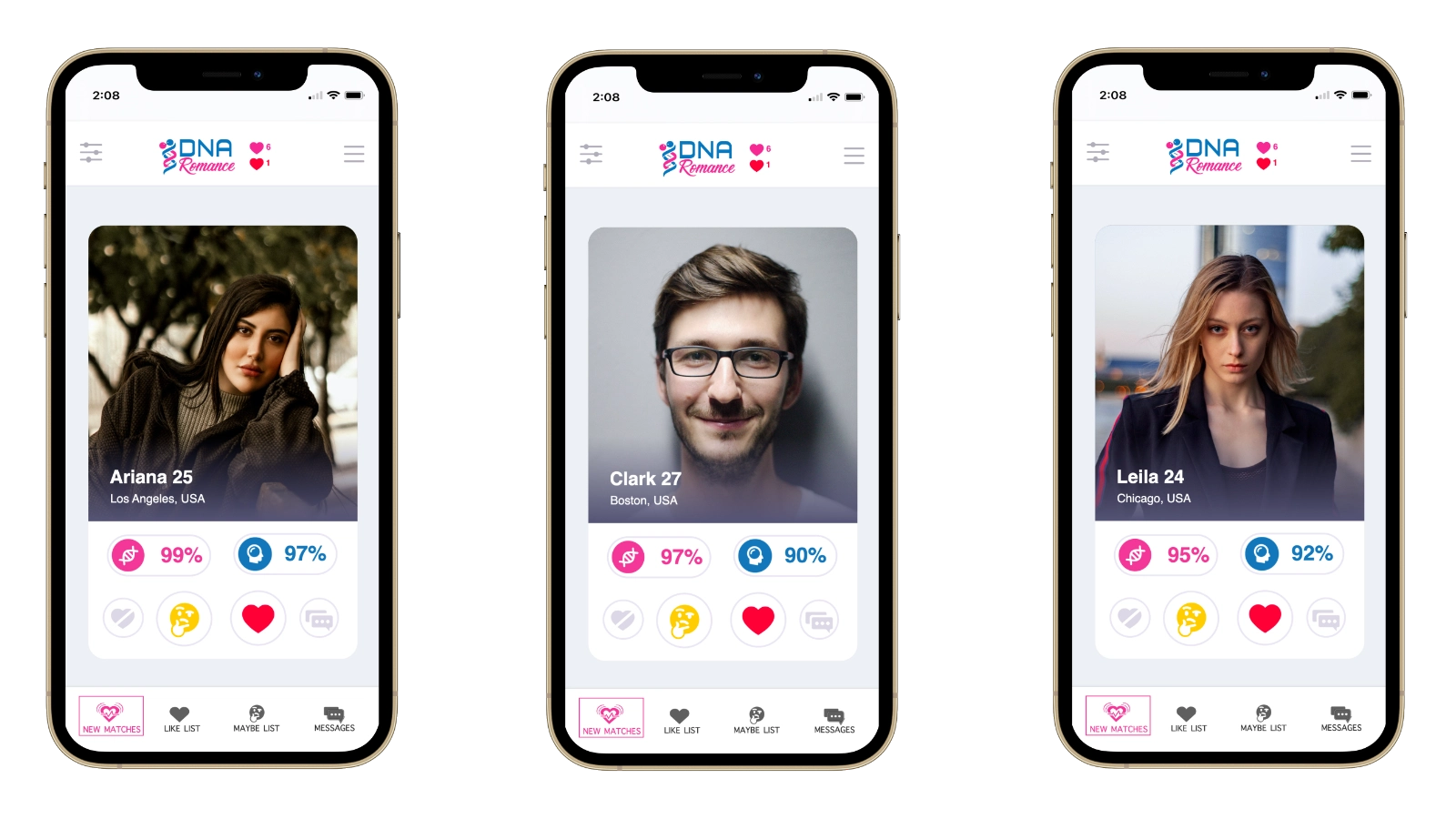
אנו עוזרים לך למצוא התאמה אמיתית, מכימיה טבעית ועד לתכונות אישיות משותפות, כדי שתוכל לבנות מערכות יחסים שמחזיקות מעמד. DNA Romance בוחנת כיצד מידע גנטי ואישיותי יכול לעצב היכרויות. אנו עוזרים לאנשים להיפגש ולהחליט אילו קשרים הם מעוניינים לבחון.
סיקור נבחר של DNA Romance משנת 2017 ואילך. הציטוטים מוצגים בשפת הפרסום המקורית.
“More than 3.2 million Aussies use dating apps or websites, but as Tinder gets boring and Hinge dates fail, could a new dating app that sees you connected to your ideal partner through your DNA be the way to solve everyone's dating woes?”
“Transforming dating from a game of chance to a finely-tuned science”
“Some believe love is written in the stars, but what if your DNA markers hold the key to romantic chemistry?”
“Encontrar o grande amor nunca foi tão fácil, isso porque você não perderá tempo com pretendes que não tenham nada a ver com você. A proposta da plataforma DNA Romance, em parceria com a Genera, é que você dê “match” com uma pessoa pela probabilidade de par ideal a partir do DNA.”
“DNA Romance and Genera have announced that the companies have entered into a strategic partnership to use precision genomics to help single people in Brazil find their soulmate and lasting love.”
“DNA Romance is a dating app that matches partners based on the information hidden in their DNA to forecast romantic chemistry.”
“Far from a futuristic invention of the writers room, DNA matchmaking is already at play in the real world.”
“DNA Romance examines the four bases of DNA (As, Ts, Gs, and Cs) in 100 locations on chromosome six. But you’re not looking for direct mirror images. After all, as the saying goes, opposites attract.”
“Some dating AI applications go even further and attempt to predict the chemistry between two people based on their DNA profiles!”
“the idea of using DNA to match singles with prospective partners sits at the heart of Netflix TV series The One and AMC's Soulmates. But far from a futuristic invention of the writers room, DNA matchmaking is already at play in the real world.”
“DNA Romance has distinguished itself from other online dating apps by investigating romantic chemistry on a genetic level.”
“It may come as a shock to hear that there has actually been a few apps over time which have tried to match partners through DNA and genetics.”
“The new Netflix show “The One” is catching a lot of buzz for the way it portrays the idea that you can find your perfect match based on your DNA.”
“DNA matching isn’t as simple and direct as it is in The One.”
“IS DNA-BASED DATING REAL? Basically, yes, DNA-based dating does exist”
“Most physical traits are determined by our DNA… DNA can influence our relationships with other people.”
“The secret of attraction is in our genes. Here to tell about it is Dr Tim Sexton, a pioneer in this new and rapidly developing field.”
“That’s the premise behind DNA Romance, a research-focused dating site that forecasts how much “chemistry” is shared between matches using information hidden in their DNA.”
“The application of AI in the dating app scenario goes deeper than applying to find perfect matches through compatibility quizzes. Platforms like DNA romance are using the AI-based algorithm to analyze DNA data and find the perfect matches for the users.”
“Since there is a genetic basis for “Romantic Chemistry” and that is well understood, DNA matchmaking has huge potential to forecast romantic chemistry online.”
“Growing body of evidence suggests that part of human attraction is based on just a few genes that control receptors in our immune system, and in these instances, opposites attract. DNA may be the newest romance language and the 'geekiest' way to find love".”
“From dating apps to online dating, dating coaches and even matchmakers. However what if your perfect match is not based on your looks or even finances but DNA.”
“The gene-matching evangelists propose that certain genes connected to your immune system, known as the major histocompatibility complex (MHC), govern who you're attracted to.”
“We are deciphering the essential elements behind the ‘scent of love’ and the ideal personality combinations for successful relationships,” said co-founder and CEO Timothy Sexton.”
“But, according to eHarmony, DNA could play a part in your dating life too. They point to the 'green shoots of a DNA matching movement', with companies including DNA Romance 'measuring compatibility based on cheek swabs and body scents'.”
“Part of getting to know a romantic partner is about assessing if you like their DNA (when you kiss you exchange genetic information via your saliva).”
“Fed up of skin-deep dating apps? Then DNA Romance might be your new favorite app. It uses your DNA or personality type to match you with people based on actual science.”
“We found people who do these tests are searching for answers they haven’t been able to find in conventional medicine.”
“Companies also market DNA testing for ageing, including skin ageing [2]; some even offer DNA dating tests, suggesting this could guide choice of partners.”
“However, our ability to smell each other is often confounded by the deodorants, perfumes and colognes we wear. Now, DNA Romance is getting straight to the genetic source of chemistry.”
“Sick and tired of looking for love? There's now a website that does it for you, using your DNA.”
“Finding partners through DNA profiles has yet to catch on, but the commercial sector for preconception and prenatal testing is booming. Malorye Allison Branca reports.”
“A husband and wife duo hope their chemistry with the Dragons will be enough to create a partnership.”
“Canadian startup DNA Romance will release a more comprehensive matchmaking service on Valentine's Day, based on biological compatibility by using the results of already-available DNA tests, such as that offered by Mountain View genetics startup 23andMe.”
“In the future, Langston said, biological data could conceivably supplement the standard, lengthy personality questionnaire that comes with an eHarmony account.”
“DNA Romance is an online dating services company that matches customers based on the compatibility of their DNA, thereby providing evidence-based matchmaking that goes beyond appearance and questionnaires.”
“DNA Romance, a startup Sexton is launching this week in Vancouver with his wife, Sauder School of Business associate fellow Judith Bosire, and University of British Columbia engineering researcher Abhijit Pandhari. They imagine the service a little like a genetic OKCupid; instead of answering hundreds of questions, users simply supply DNA data, and are matched accordingly.”
חלוצים בעתיד השידוכים הגנטיים ומדעי מערכות היחסים.
מנכ"ל ומייסד-שותף
ד"ר טימותי סקסטון הוא המייסד והמנכ"ל של DNA Romance. בעל תואר דוקטור בביוטכנולוגיה ועשרות שנות ניסיון בגנומיקה וביואינפורמטיקה, טים הוביל את יישום בדיקות ההתאמה הגנטית בעולם השידוכים המקוון.
השתמש ב-DNA Romance ברשת או באפליקציה למכשירים ניידים.
שידוכים מקוונים המבוססים על התאמת DNA ואישיות.
בקר באתר →
שידוכים מקוונים המבוססים על התאמת אישיות.
בקר באתר →
הכר תורמי זרע פוטנציאליים, נתרמות או שותפים להורות.
בקר באתר →אנחנו מתייחסים ללקוחותינו ומבינים שבעת ההיכרויות, חשוב להרגיש נוח בעת השיחה. בגלל כך, אנחנו מציעים מגוון אפשרויות להשתמש באפליקציה בשפת האם שלך!