
DNA Romance Official Blog
Expert insights on online matchmaking, relationship advice, and the science behind love and connection.
Compatible Matches For The ISTP Personality Type
ISTPs occur in 5.4% of the population. Four highly compatible personality types and one challenging match for the practical, observant ISTP.
Online Dating Compatibility For ENFJ MBTI Personality Types
ENFJs occur in 2.5% of the population. Four highly compatible personality types and two challenging matches for the gregarious, people-focused ENFJ.

What is love?
The sentiments and emotions of love. Only you can know if you are truly in love, but one thing is non-negotiable: there is no love if the feelings aren't mutual.

Understanding Chivalry in Modern Times
Chivalry is a concept about treating others with respect and kindness. In dating, the expression that chivalry is dead most often refers to men being chivalrous to women. However, chivalry is not limited to a specific gender.
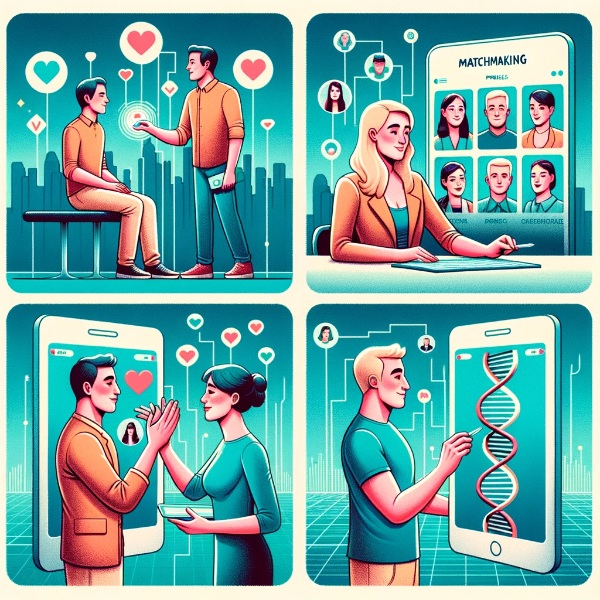
Meeting 'In Real Life' as compared to 'Matchmaking', or 'Online Dating'
Meeting 'In Real Life' as compared to 'Matchmaking', or 'Online Dating'. DNA Romance uses genetic analysis and personality compatibility to find your perfect love match.

The Romantic Qixi Festival (Chinese Valentine’s Day) has a beautiful story
Learn about the ancient Chinese festival of Qixi, also known as the Chinese Valentine's Day. Read about the two star-crossed lovers who are said to have built the Milky Way galaxy.
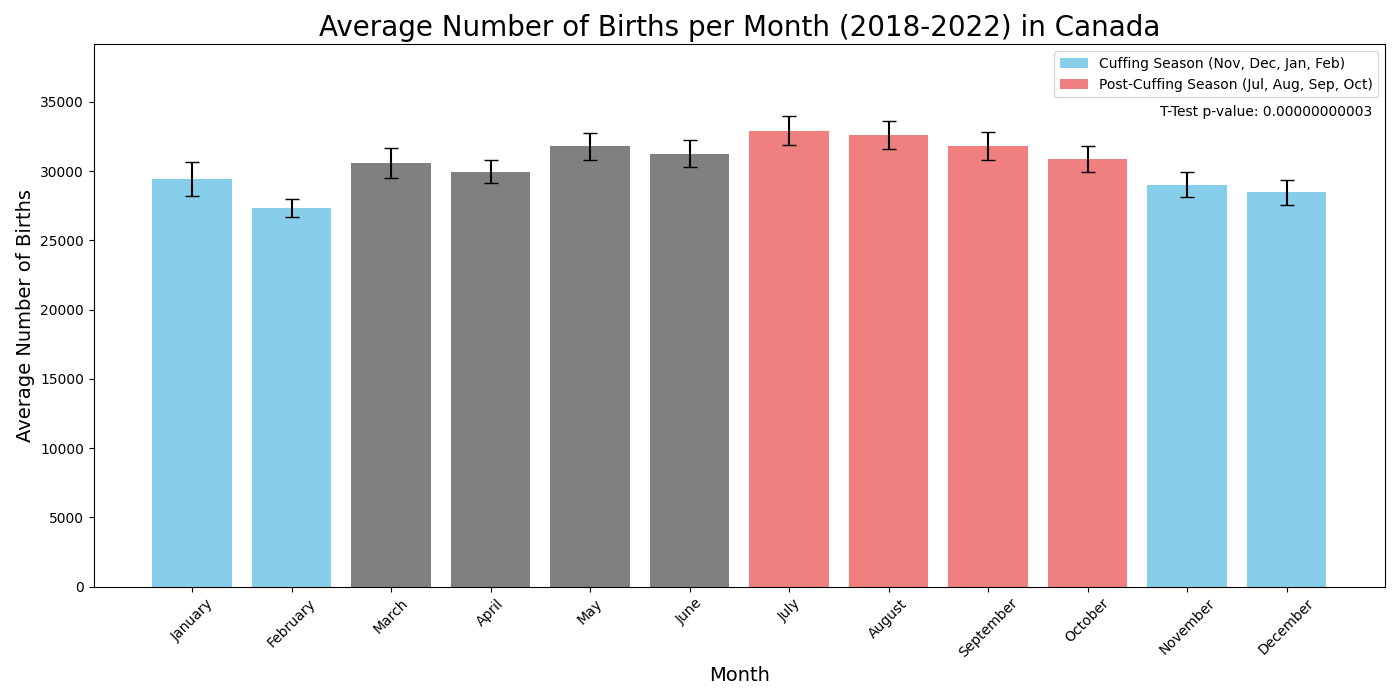
The Curious Case of Cuffing Season: What Analysis of Birth Records Can Tell Us
Explore the statistical evidence for cuffing season through birth records and discover how seasonal trends impact relationship formation.
Test Your World Knowledge: The Geography Quiz Challenge
Challenge yourself with our interactive geography quiz. Test your knowledge of countries, capitals, and borders across seven world regions.
Dating Fatigue: Why You Feel Numb After Years of Swiping
Dating burnout is real. Years of first dates, ghosting, and emotional investment with no return leave you desensitized. Learn how fatigue accumulates and when to take a break.

I Saw My Partner on a Dating App: Now What?
You saw them on Hinge. Your stomach dropped. But you were on Hinge too. Here is how to navigate the gut punch, have the conversation, and know when it is time to delete.

First Date Ideas and Locations
First dates can be great or they can be awkward silences over expensive pasta. A lot of it comes down to where you go. Here are ten ideas that actually work.
Dating and Matchmaking compatibility for the ESTP personality type
ESTPs occur in 4.3% of the population. Four highly compatible personality types and one challenging match for the action-oriented ESTP.
Online Dating: Compatible Matches For ENTP Personality Types
ENTPs occur in 3.2% of the population. Five highly compatible personality types and one challenging match for the inventive ENTP.

Romantic Attraction and Finding Your Perfect Match
Have you ever wondered how DNA dating can help you find true love? Read the inspiring story of a couple who used DNA analysis to confirm their love and ultimately tie the knot. Could you be next?

Dating and Matchmaking for the ISFJ personality type
ISFJs occur in 13.8% of the population. Four highly compatible personality types and one challenging match for the loyal, caring ISFJ.
Personality Compatibility for INFJ in Dating and Matchmaking
INFJs are rare — present in just 1.5% of the population. Five highly compatible personality types and two challenging matches for the quietly determined INFJ.

Unveiling the Keys to Finding Your Perfect Match in a Complex World
In today's digital age, finding your perfect match can be a complex journey. Dive into insights on modern matchmaking, from professional services to the power of social circles, and how genetic compatibility plays a pivotal role.
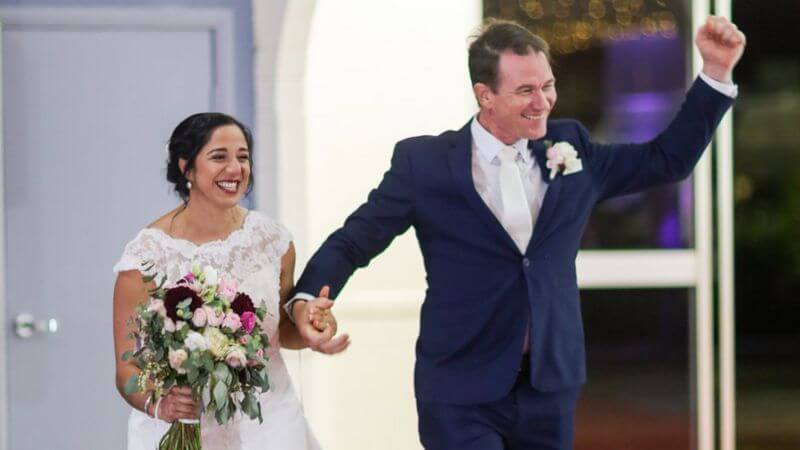
The Love Story of Melissa & Mez: DNA is Scientific & Romantic
How did DNA dating help Melissa and Mez find love? Could you be next? Read the story of a couple who used DNA analysis to confirm their love and got married.
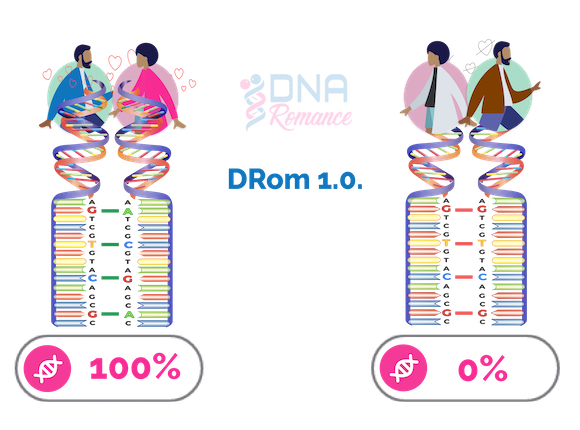
The Genes For Love
Genes inside the Major Histocompatibility Complex (MHC) shape immune function and partner choice. Diversity in MHC is what your body is searching for when scent guides attraction.
Online Dating and Matchmaking Compatibility for the INFP type
INFPs occur in 4.4% of the population. Three highly compatible personality types and two challenging matches for the quiet, individualistic INFP.

Online Dating And Romantic Matches For ESFJ Personality Type
ESFJs occur in 12.3% of the population. Four highly compatible personality types and one challenging match for the warm, organized ESFJ.
Dating and Matchmaking for INTP Simplified
INTPs occur in just 3.3% of the population. Four highly compatible personality types and two challenging matches for the analytical INTP.

Discovering Love in an Ever-Growing World of 8 Billion People
With more than 8 billion people on the planet, finding the right person can feel like searching for a needle in a haystack. DNA Romance helps narrowing the field using genetic matchmaking.

Ten Ways DNA Influences Our Relationships
DNA can significantly influence our relationships. Discover ten ways our genetic makeup affects how we interact with others, from romantic chemistry to compatibility.
12 Tools To Analyze Your Raw DNA Data
Discover 12 online tools that can help you understand and interpret your raw DNA data, making sense of the vast amount of genetic information you possess.

Online Dating and Romantic Matches for the ISTJ personality type
ISTJs occur in 11.6% of the population. Four highly compatible personality types and one challenging match for the realistic, traditional ISTJ.

Dating and Matchmaking compatibility for the ESTJ personality type
ESTJs occur in 8.7% of the population. Four highly compatible personality types and one challenging match for the industrious, organized ESTJ.
Online Dating: Compatible Matches For The INTJ Personality
INTJs occur in just 2.1% of the population. Five highly compatible personality types and three challenging matches for the INTJ in dating and matchmaking.
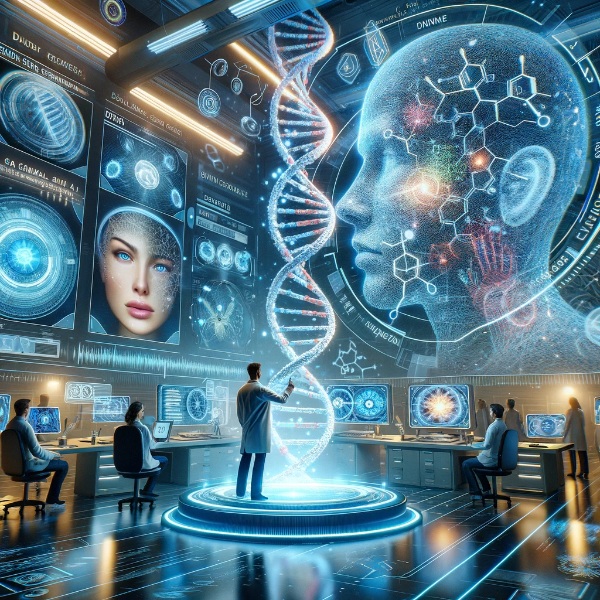
The Genetic Foundations of Romance: Understanding the Science of Human Attraction
Your DNA shapes who you are attracted to and who you're compatible with. Inside MHC genes, gene-environment interaction, and how genetic matchmaking turns biology into better matches.

Comparing MBTI and The Big Five Personality Traits
How Does the Myers-Briggs Type Indicator Compare to the Big Five Personality Traits? MBTI categorizes personalities into 16 types while the Big Five measures broad traits on a spectrum.
MBTI vs Enneagram: Which Personality System Actually Predicts Compatibility?
MBTI and the Enneagram measure different things. One tracks how you function; the other digs into why. Here is what the research says about both, where each one breaks down, and how DNA Romance uses personality data alongside biological signals.

They just friendzoned me! why? and how to escape?
Leaving the friend zone and transitioning into a romantic relationship. To get out of the friend zone make your intentions known, and don't tiptoe over your romantic feelings.
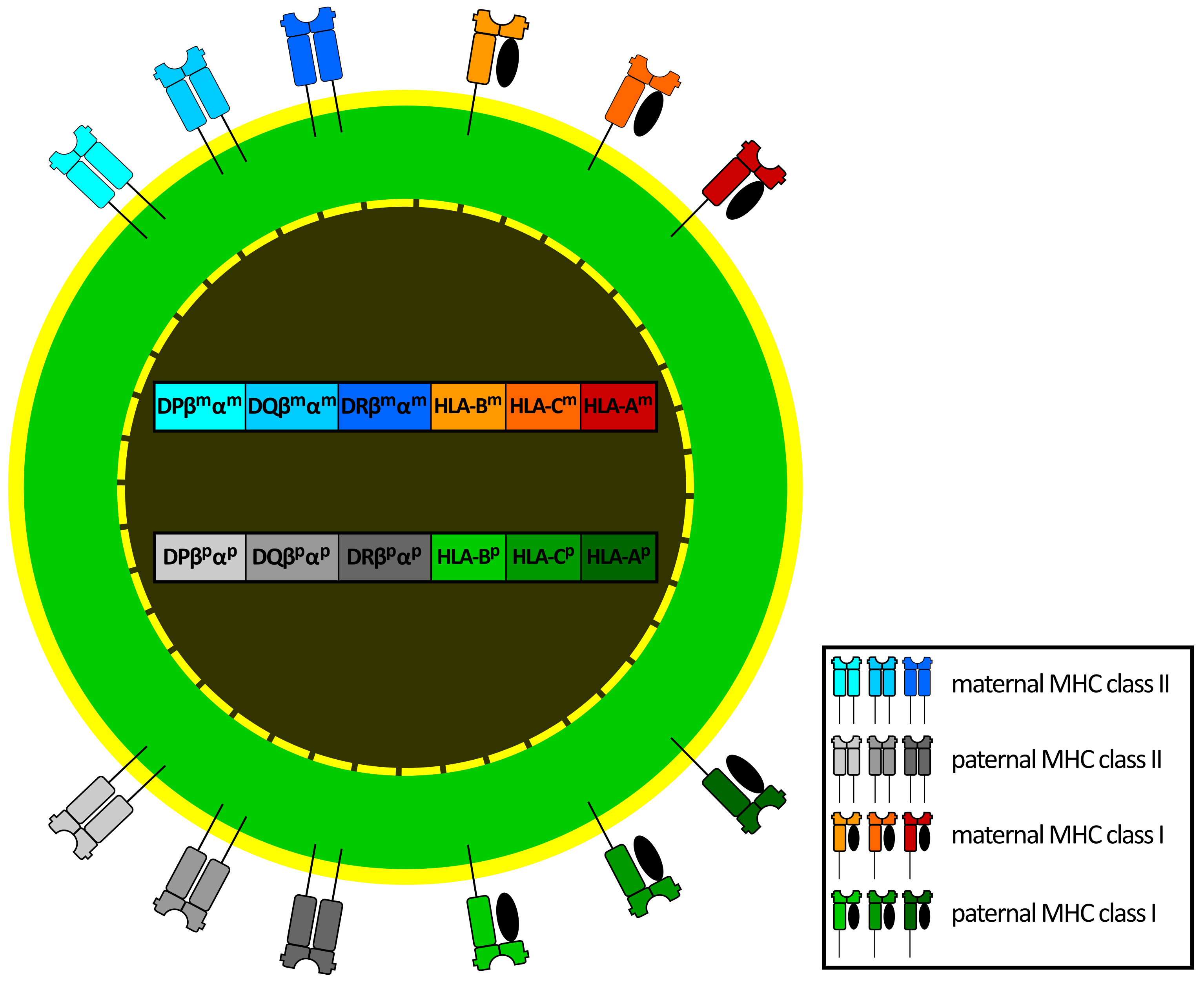
HLA Typing Explained: The MHC, Immune Genes, and Genetic Compatibility
Hundreds of immune-system genes sit on Chromosome 6 inside the Major Histocompatibility Complex. Their diversity matters for transplants, infection, fertility, and partner choice — here is what HLA typing actually measures and why DNA Romance reads it.

How to Get a Girlfriend: A Comprehensive Guide to Finding Love
Practical advice on finding, attracting, and building a meaningful relationship. From expanding your social circle to keeping the romance alive.

Online Dating and Romantic Partners for the ESFP Type
ESFPs occur in 13.8% of the population. Four highly compatible personality types and one challenging match for the fun-loving, sociable ESFP.
Ghosting Explained: Why People Disappear and What It Does to You
Ghosting is not just rude. It activates the same brain regions as physical pain. Here is what the research says about why people ghost, what it does to the person left behind, and how to handle both sides of it.

9 Countries that Celebrate Valentine’s Day Differently
Valentine's Day is a celebration of love, but it's not the same everywhere. From the 'obligation chocolate' of Japan to the 'mass weddings' of the Philippines, discover how different cultures celebrate romance.

Breakups: The Psychology of Ending and Starting Over
Breakups hurt because your brain processes social loss like physical injury. Here is what the research says about why recovery takes as long as it does, and what actually speeds it up.

The Body Odour Gene (rs17822931): Scent, Earwax & Matching
Roughly two billion people don't produce underarm body odour. A single SNP in ABCC11 controls who does and who doesn't — and what that means for MHC-based genetic matchmaking.

Celebrating International DNA Day at DNA Romance
DNA Day commemorates the discovery of the double helix structure. To celebrate, DNA Romance is proud to announce its website and content are now available in multiple languages including English, French, Korean, Japanese, Chinese, and Portuguese.

Dating and Matchmaking for the ISFP personality type
ISFPs occur in 8.8% of the population. Four highly compatible personality types and one challenging match for the gentle, action-loving ISFP.
Online Dating: Compatible Matches For ENFP Personality Types
ENFPs occur in 8.1% of the population. Five highly compatible personality types and two challenging matches for the perceptive, sociable ENFP.

Introvert, extrovert, or ambivert?
What is the difference between an introvert, extrovert, and ambivert? How do these personality traits affect relationship choice and compatibility?

Dating Someone Who Has Been Divorced: What You Should Actually Know
Divorced does not mean damaged. But it does mean complicated. Here is what nobody tells you about dating someone who has already been married, from the real challenges to the surprising advantages.

Dating Someone with Kids: What Nobody Prepares You For
Dating a single parent means entering a life already in progress. The ex, the custody schedule, the kids who did not choose you. Here is what it actually looks like, and how to know if you are ready.

The Validation Trap: Why Your Brain Confuses Being Chosen with Being Happy
Your brain asks Who values me more? instead of Who is right for me? Learn why we chase validation over compatibility, and how to finally break the pattern.