
The Science
Research and Relationship Compatibility
DNA Romance compares selected DNA information through the DRom 1.0 algorithm. It assesses 100 specific markers within your DNA, focusing on genes proven to be involved in attraction and reproduction. Studies have shown that people with varied DNA markers in the Major Histocompatibility Complex (MHC) tend to find each other’s scent appealing and often enjoy more durable romantic relationships.
How It Works
Sign Up
Create your free account and tell us a little about yourself, your preferences, and what you're looking for.
- Choose a username and verify your email address
- Set your match radius and dating preferences
Take the Personality Test
Complete the personality questionnaire to compare traits and preferences.
- Takes about 10 minutes
- Covers personality traits and preferences
Upload Your DNA
If this option is available for your account, upload a supported raw DNA file to add optional genetic context to matching.
- Free with your free account
- Other users cannot view your raw DNA file.
Discover Matches
We show matches using your preferences, personality responses, and available compatibility information.
Connect and Meet
Message your matches when there's mutual interest, then take it from there.
DRom 1.0 and DNA Comparisons
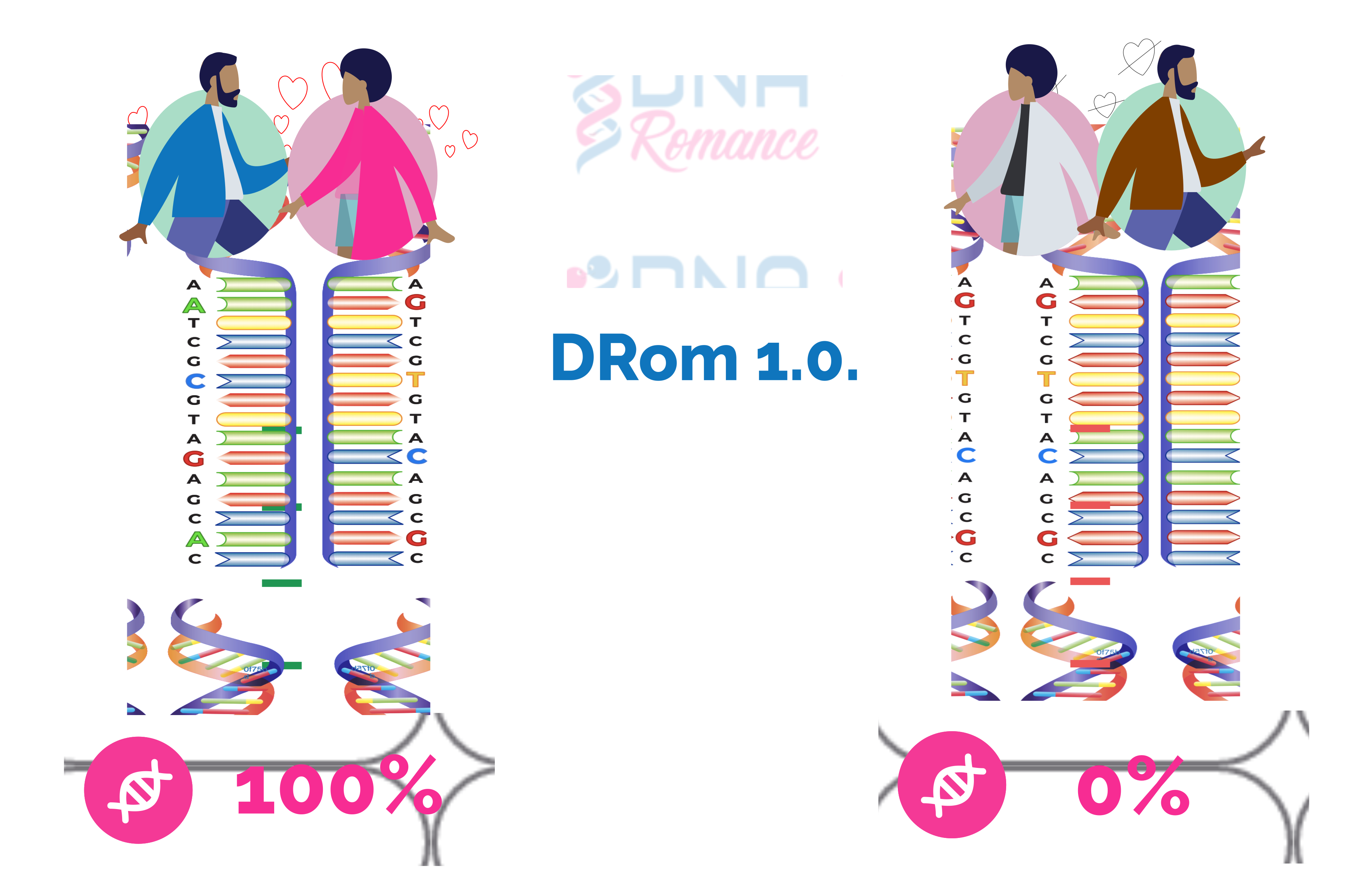
DNA Romance also forecasts personality compatibility and helps people compare shared common interests via filters, and physical attraction based on photographs.
Personality Compatibility Rating
How Different Personality Types Interact in Relationships
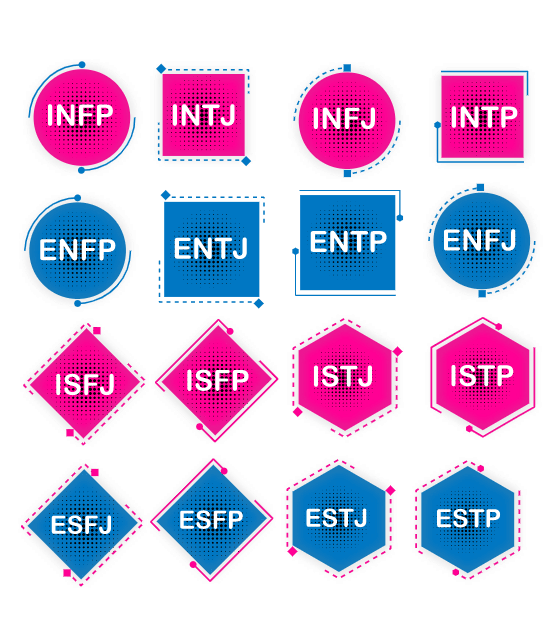
Personality preferences are organized into 16 personality types types that describe different ways people communicate and make decisions., widely used today in organisational psychology.
DNA Romance uses these profiles to help members compare personality preferences.
Key Research Papers
Selected peer-reviewed studies underpinning the science behind DNA Romance.

MHC-Based Attraction (Chemistry) and Relationship Choice
DNA Romance developed DRom 1.0 after reviewing research on DNA variation, scent, and partner choice. The studies below show mixed and context-dependent findings.
Dandine-Roulland et al., 2019
Birnbaum et al., 2019
Wedekind, 2019
Henningsson et al., 2017
Christakis & Fowler, 2014
Garver-Apgar et al., 2006
Roberts et al., 2008
Wedekind & Furi, 1997
Wu et al., 2018
Burger et al., 2017
Sherlock et al., 2016
Kromer et al., 2016
Wlodarski and Dunbar., 2015
Burger et al., 2015
Laurent and Chaix., 2012
Lie et al., 2010
Lie et al., 2010b
Chaix et al., 2008
Schwensow et al., 2008
Wedekind., 2007
Wedekind., 2006
Pause et al., 2006
Martins et al., 2005
Horton et al., 2004
Jacob et al., 2002
Milinski and Wedekind., 2001
Wedekind et al., 1995
How similarities or differences in MHC alleles can influence family planning
MHC similarity between couples has been studied in relation to family planning, here are some of the peer-reviewed papers describing MHC similarity and human reproduction.
Jokiniemi et al., 2020
Mosaad et al., 2011
Mora-Sánchez et al., 2019
Meuleman et al., 2015
Shankarkumar et al., 2008
Ober, 1999
Ober et al., 1998
Ober et al., 1993

Personality Types
DNA Romance uses self-reported personality types as one input when comparing profiles. Similarity scores are a browsing aid, not a measure of relationship success.
Lok., 2012
Keirsey., 2006
Moutafi et al., 2003
Myers et al., 1998
Myers et al., 1985
Myers., 1962
Jung., 1923
Ready to explore potential matches?
Create your profile and add DNA when you are ready.