
La Ciencia
Investigación y compatibilidad en las relaciones
DNA Romance analiza y contrasta información genética seleccionada mediante DRom 1.0 algoritmo. Evalúa 100 marcadores específicos dentro de su ADN, centrándose en genes que han demostrado participar en la atracción y la reproducción. Los estudios han demostrado que las personas con marcadores de ADN diversos en el Complejo Mayor de Histocompatibilidad (MHC) tienden a encontrar atractivo el olor del otro y a menudo disfrutan de relaciones románticas más duraderas.
Cómo Funciona
Regístrate
Create your free account and tell us a little about yourself, your preferences, and what you're looking for.
- Choose a username and verify your email address
- Set your match radius and dating preferences
Realiza el Test de Personalidad
Complete the personality questionnaire to compare traits and preferences.
- Takes about 10 minutes
- Covers personality traits and preferences
Sube tu ADN
If this option is available for your account, upload a supported raw DNA file to add optional genetic context to matching.
- Free with your free account
- Other users cannot view your raw DNA file.
Descubre Coincidencias
We show matches using your preferences, personality responses, and available compatibility information.
Connect and Meet
Message your matches when there's mutual interest, then take it from there.
DRom 1.0 y comparaciones de ADN
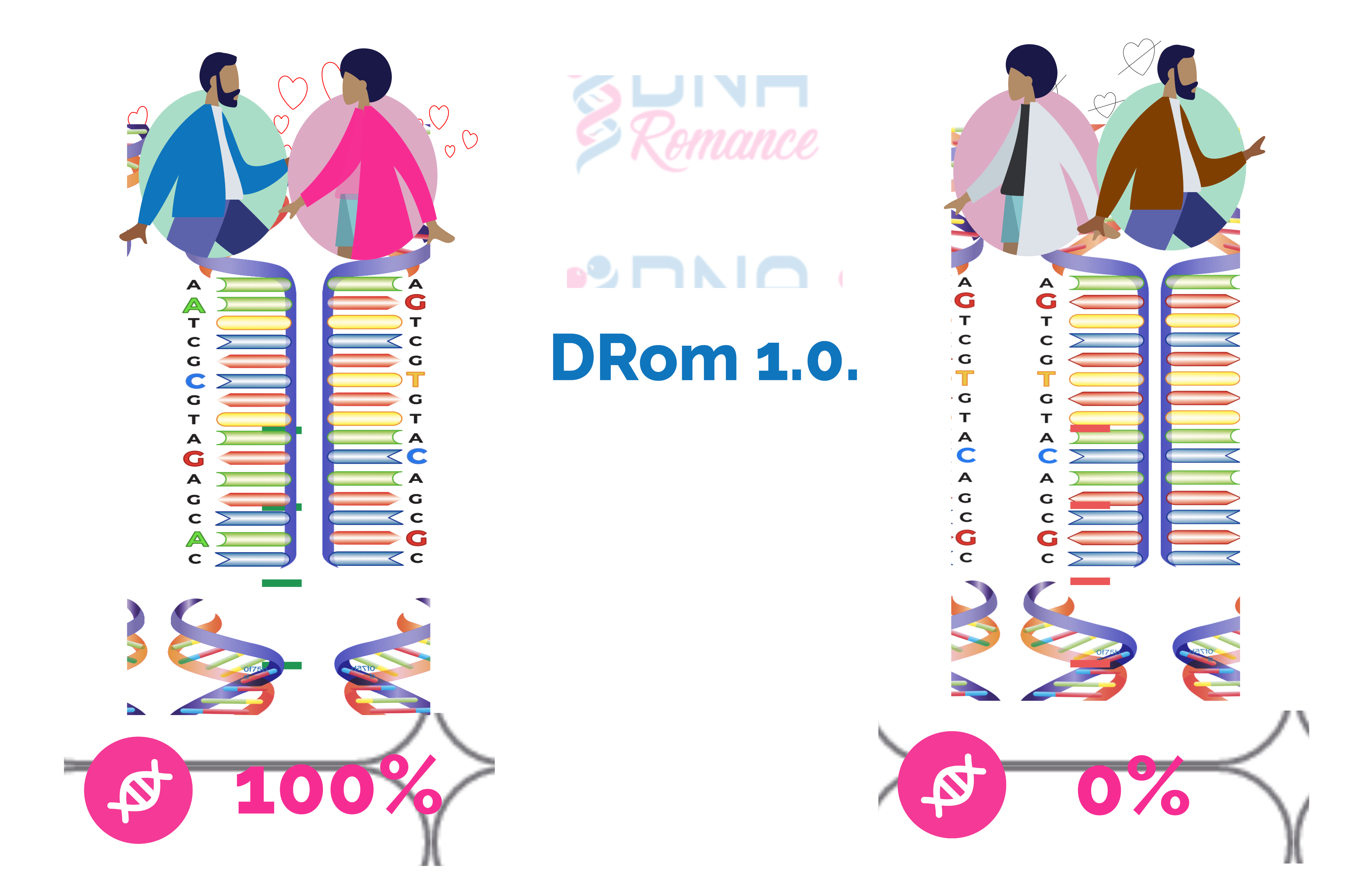
DNA Romance también pronostica Compatibilidad de personalidad y ayuda a las personas a comparar intereses comunes compartidos a través de filtros, y Atracción física a partir de fotografías.
Calificación de compatibilidad de personalidad
Cómo diferentes tipos de personalidad interactúan en las relaciones
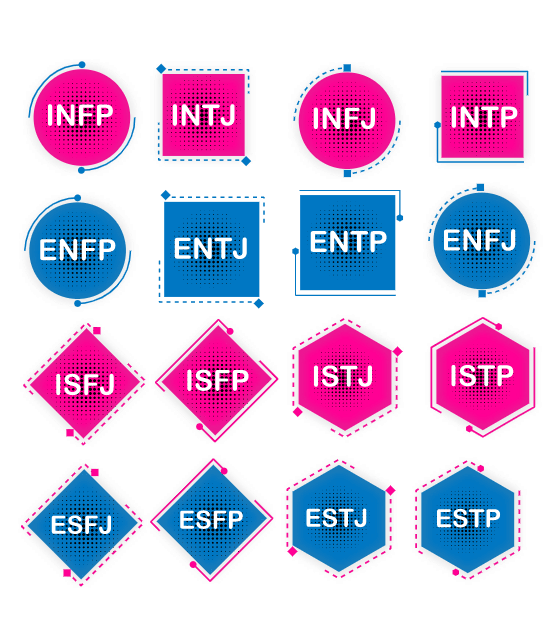
Las preferencias de personalidad se organizan en 16 tipos de personalidad tipos que describen las distintas formas en que las personas se comunican y toman decisiones., ampliamente utilizado hoy en día en la psicología organizacional.
DNA Romance utiliza estos perfiles para ayudar a los miembros a comparar preferencias de personalidad.
Documentos clave de investigación
Selected peer-reviewed studies underpinning the science behind DNA Romance.

Atracción basada en el MHC (química) y elección de pareja
DNA Romance desarrolló DRom 1.0 tras revisar las investigaciones sobre la variación del ADN, el olor y la elección de pareja. Los estudios que figuran a continuación muestran resultados dispares y dependientes del contexto.
Dandine-Roulland et al., 2019
Birnbaum et al., 2019
Wedekind, 2019
Henningsson et al., 2017
Christakis & Fowler, 2014
Garver-Apgar et al., 2006
Roberts et al., 2008
Wedekind & Furi, 1997
Wu et al., 2018
Burger et al., 2017
Sherlock et al., 2016
Kromer et al., 2016
Wlodarski and Dunbar., 2015
Burger et al., 2015
Laurent y Chaix., 2012
Lie et al., 2010
Lie et al., 2010b
Chaix et al., 2008
Schwensow et al., 2008"
Schwensow et al., 2008
Wedekind., 2007
Wedekind., 2006
Pause et al., 2006
Martins et al., 2005
Horton et al., 2004
Jacob et al., 2002
Milinski y Wedekind., 2001
Wedekind et al., 1995
Cómo las similitudes o diferencias en los alelos del CMH pueden influir en la planificación familiar
La similitud del MHC entre las parejas se ha estudiado en relación con la planificación familiar; aquí tienes algunos de los artículos revisados por pares que describen la similitud del MHC y la reproducción humana.
Jokiniemi et al., 2020
Mosaad et al., 2011
Mora-Sánchez et al., 2019
Meuleman et al., 2015
Shankarkumar et al., 2008
Ober, 1999
Ober et al., 1998
Ober et al., 1993

Tipos de personalidad
DNA Romance utiliza los tipos de personalidad autodeclarados como uno de los factores al comparar perfiles. Las puntuaciones de similitud son una ayuda para explorar perfiles, no una medida del éxito de una relación.
Lok., 2012
Keirsey., 2006
Moutafi et al., 2003
Myers et al., 1998
Myers et al., 1985
Myers., 1962
Jung., 1923
¿Listo para explorar posibles coincidencias?
Crea tu perfil y añade ADN cuando estés listo.