
La science
Recherche et compatibilité relationnelle
DNA Romance compare les marqueurs ADN sélectionnés par le biais de Algorithme DRom 1.0 algorithme. Il évalue 100 des marqueurs spécifiques de votre ADN, en ciblant des gènes reconnus pour intervenir dans l'attirance et la reproduction. Des études ont montré que les personnes ayant des marqueurs d'ADN variés dans le complexe majeur d'histocompatibilité (CMH) ont tendance à trouver l'odeur de l'autre attrayante et profitent souvent de relations amoureuses plus durables.
Comment ça fonctionne
Inscription
Create your free account and tell us a little about yourself, your preferences, and what you're looking for.
- Choose a username and verify your email address
- Set your match radius and dating preferences
Passez le test de personnalité
Complete the personality questionnaire to compare traits and preferences.
- Takes about 10 minutes
- Covers personality traits and preferences
Téléchargez votre ADN
If this option is available for your account, upload a supported raw DNA file to add optional genetic context to matching.
- Free with your free account
- Other users cannot view your raw DNA file.
Découvrez des correspondances
We show matches using your preferences, personality responses, and available compatibility information.
Connect and Meet
Message your matches when there's mutual interest, then take it from there.
DRom 1.0 et comparaisons ADN
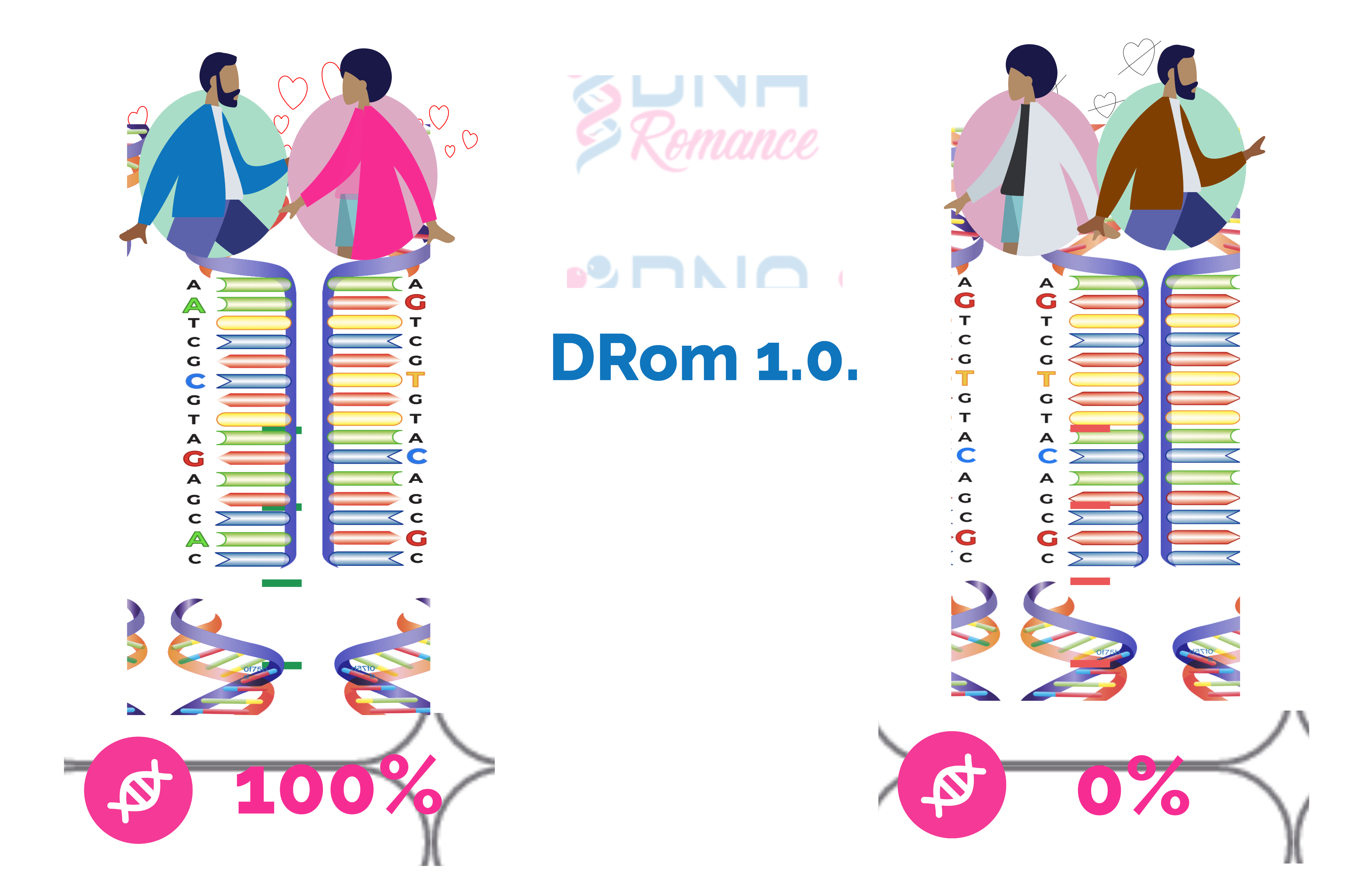
DNA Romance prévoit également compatibilité de personnalité et aide les utilisateurs à comparer centres d’intérêt partagés au moyen de filtres, et attraction physique à partir de photos.
Évaluation de la compatibilité de la personnalité
Comment les différents types de personnalité interagissent dans les relations
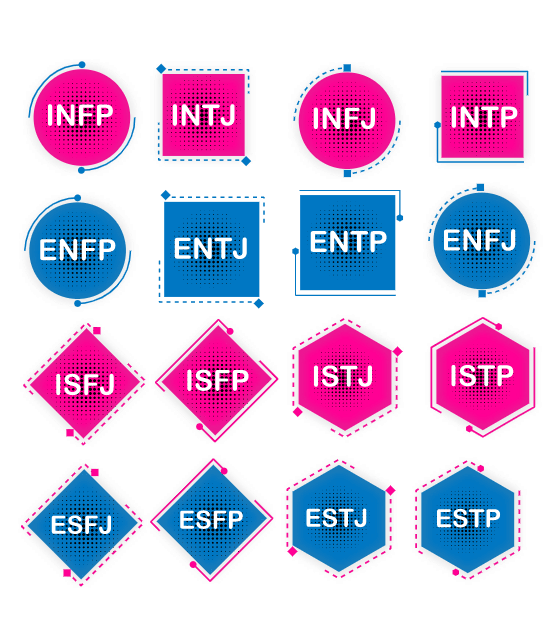
Les préférences de personnalité sont réparties en 16 types de personnalité types qui décrivent les différentes façons dont les gens communiquent et prennent des décisions., largement utilisé aujourd'hui en psychologie organisationnelle.
DNA Romance utilise ces profils pour aider les membres à évaluer leurs préférences de personnalité.
Articles de recherche clés
Études évaluées par des pairs sélectionnées qui étayent la science derrière DNA Romance.

Attirance fondée sur le MHC (alchimie) et choix relationnel
DNA Romance a conçu DRom 1.0 après avoir examiné les recherches sur la diversité génétique, l’odorat et le choix du partenaire. Les études ci-dessous présentent des résultats nuancés selon le contexte.
Dandine-Roulland et al., 2019
Birnbaum et al., 2019
Wedekind, 2019
Henningsson et al., 2017
Christakis & Fowler, 2014
Garver-Apgar et al., 2006
Roberts et al., 2008
Wedekind & Furi, 1997
Wu et al., 2018
Burger et al., 2017
Sherlock et al., 2016
Kromer et al., 2016
Wlodarski and Dunbar., 2015
Burger et al., 2015
Laurent and Chaix., 2012
Lie et al., 2010
Lie et al., 2010b
Chaix et al., 2008
Schwensow et al., 2008
Wedekind., 2007
Wedekind., 2006
Pause et al., 2006
Martins et al., 2005
Horton et al., 2004
Jacob et al., 2002
Milinski and Wedekind., 2001
Wedekind et al., 1995
Comment les similarités ou différences d'allèles du MHC peuvent influencer la planification familiale
La similarité du MHC entre partenaires a été étudiée dans le cadre de la planification familiale ; voici quelques articles évalués par des pairs décrivant la similarité du MHC et la reproduction humaine.
Jokiniemi et al., 2020
Mosaad et al., 2011
Mora-Sánchez et al., 2019
Meuleman et al., 2015
Shankarkumar et al., 2008
Ober, 1999
Ober et al., 1998
Ober et al., 1993

Types de personnalité
DNA Romance utilise les types de personnalité déclarés comme un élément de comparaison parmi d’autres. Les scores de similarité sont une aide à la découverte et non une garantie de succès relationnel.
Lok., 2012
Keirsey., 2006
Moutafi et al., 2003
Myers et al., 1998
Myers et al., 1985
Myers., 1962
Jung., 1923
Prêt à explorer des correspondances potentielles?
Créez votre profil et ajoutez votre ADN quand vous êtes prêt.