
과학
연구 및 관계 호환성
DNA Romance는 선별된 DNA 정보를 다음을 통해 비교합니다 DRom 1.0 알고리즘 알고리즘입니다. 다음을 평가합니다 100 매력 및 생식과 관련된 것으로 입증된 유전자에 초점을 맞춘 회원님 DNA 내의 특정 마커입니다. 연구에 따르면 주조직적합성복합체(MHC)의 다양한 DNA 마커를 가진 사람들은 서로의 체취에 매력을 느끼고 더 오래 지속되는 연인 관계를 누리는 경향이 있습니다.
작동 방식
가입하기
Create your free account and tell us a little about yourself, your preferences, and what you're looking for.
- Choose a username and verify your email address
- Set your match radius and dating preferences
성격 테스트를 받으세요
Complete the personality questionnaire to compare traits and preferences.
- Takes about 10 minutes
- Covers personality traits and preferences
DNA를 업로드하세요
If this option is available for your account, upload a supported raw DNA file to add optional genetic context to matching.
- Free with your free account
- Other users cannot view your raw DNA file.
매칭 찾기
We show matches using your preferences, personality responses, and available compatibility information.
Connect and Meet
Message your matches when there's mutual interest, then take it from there.
DRom 1.0 및 DNA 비교
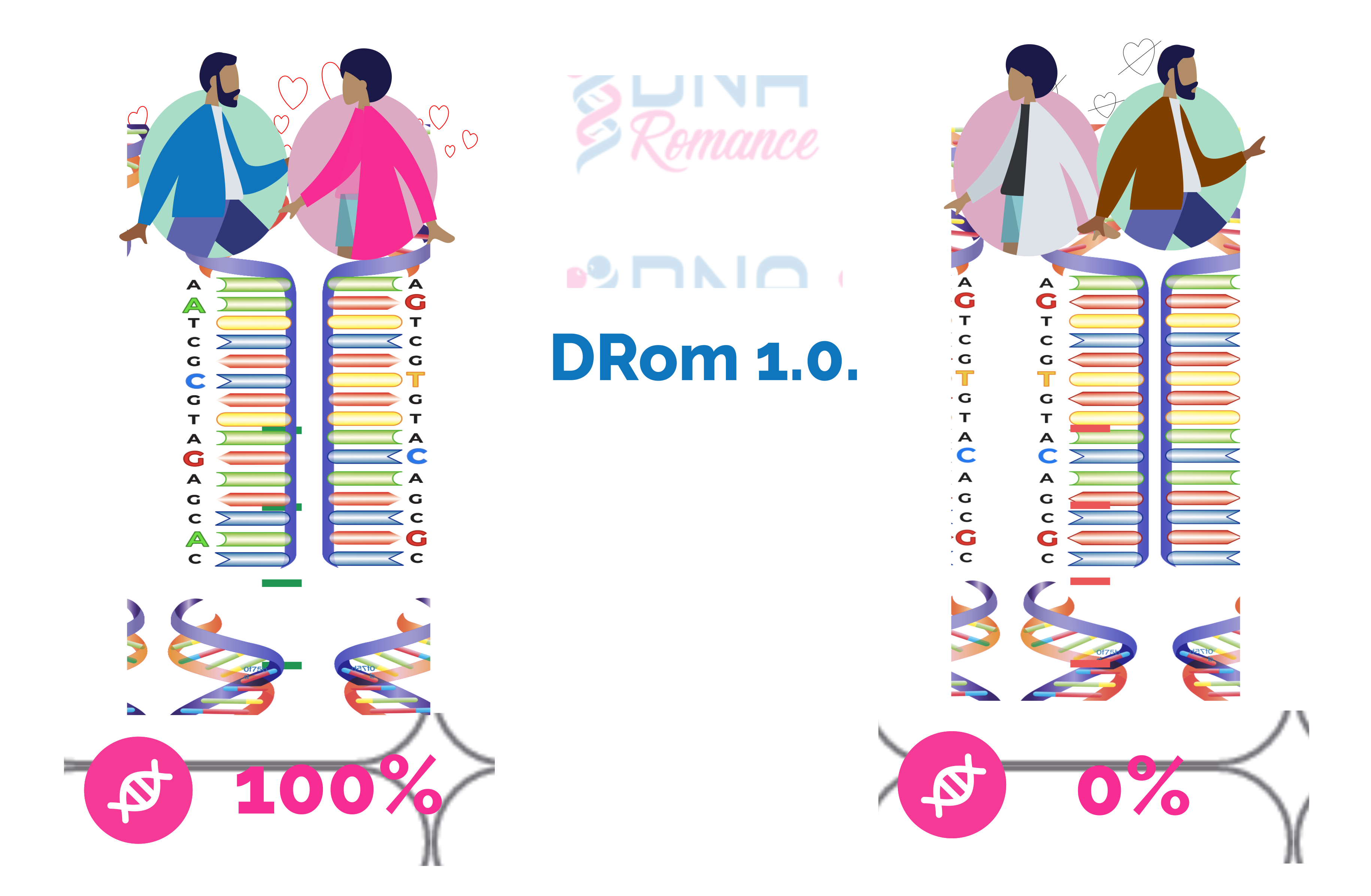
DNA 로맨스는 또한 예측합니다. 성격 호환성 사람들이 서로를 비교하고 공유하는 공통 관심사 필터를 통해, 그리고 신체적 매력 사진을 기반으로 합니다.
성격 호환성 등급
다른 성격 유형이 관계에서 상호 작용하는 방법
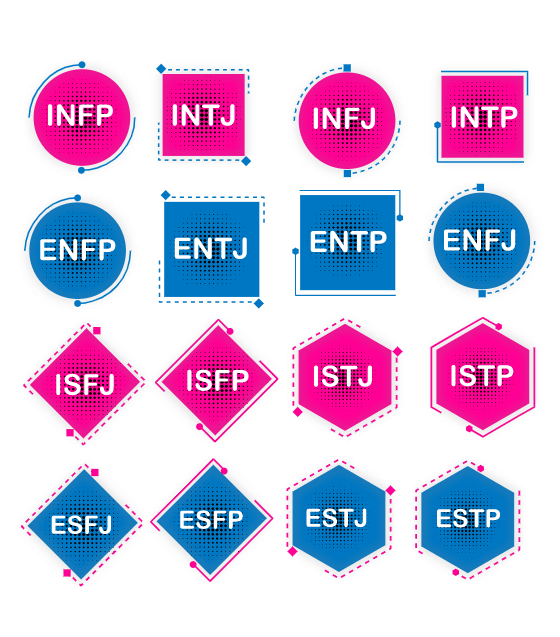
성격 선호도는 다음과 같이 구성됩니다: 16가지 성격 유형 사람들이 소통하고 의사 결정을 내리는 다양한 방식을 설명하는 유형입니다., 오늘날 조직 심리학에서 널리 활용되고 있어요.
DNA Romance는 회원들이 성격 선호도를 비교할 수 있도록 이러한 프로필을 활용합니다.
주요 연구 논문
DNA Romance의 과학적 원리를 뒷받침하는 주요 피어 리뷰(동료 심사) 연구 논문들입니다.

MHC 기반의 끌림(케미스트리) 및 관계 선택
DNA Romance는 DNA 변이, 체취, 배우자 선택에 관한 연구를 검토한 후 DRom 1.0을 개발했습니다. 아래 연구들은 복합적이고 맥락에 따라 달라지는 결과들을 보여줍니다.
단딘-룰랑 외, 2019
Birnbaum et al., 2019
Wedekind, 2019
Henningsson et al., 2017
Christakis & Fowler, 2014
Garver-Apgar et al., 2006
Roberts et al., 2008
Wedekind & Furi, 1997
Wu et al., 2018
Burger 등., 2017
Sherlock et al., 2016
Kromer et al., 2016
Wlodarski and Dunbar., 2015
Burger 등, 2015
Laurent and Chaix., 2012
Lie et al., 2010
다음 내용을 확인해 주세요: Lie et al., 2010b
Chaix et al., 2008
슈벤소우 외, 2008
Wedekind., 2007
Wedekind., 2006
Pause et al., 2006
Martins et al., 2005
Horton et al., 2004
Jacob et al., 2002
Milinski and Wedekind., 2001
Wedekind et al., 1995
MHC 대립유전자의 유사점이나 차이점이 가족 계획에 미칠 수 있는 영향
커플 간의 MHC 유사성은 가족 계획과 관련하여 연구되어 왔으며, 여기에 MHC 유사성과 인간 생식을 설명하는 동료 평가(피어 리뷰) 논문 몇 편을 소개합니다.
Jokiniemi et al., 2020
Mosaad et al., 2011
모라-산체스 외, 2019
Meuleman et al., 2015
Shankarkumar et al., 2008
Ober, 1999
Ober et al., 1998
Ober et al., 1993

성격 유형
DNA Romance는 프로필을 비교할 때 자체 보고된 성격 유형을 하나의 입력값으로 사용합니다. 유사도 점수는 탐색을 돕기 위한 보조 수단이며 관계의 성공을 보장하는 척도는 아닙니다.